Our pilot sites
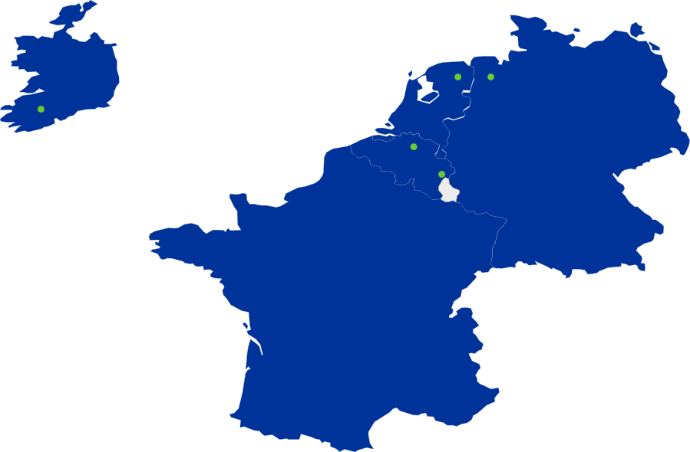
Five diverse sites
Chi‑Fontaine, Griston Bog, Sager Meer, Fochteloërveen and the Valley of the Kleine Nete, represent peatlands, river valleys and wetland mosaics across North‑West Europe. Each site brings its own story, challenges and opportunities for restoring water and nature.
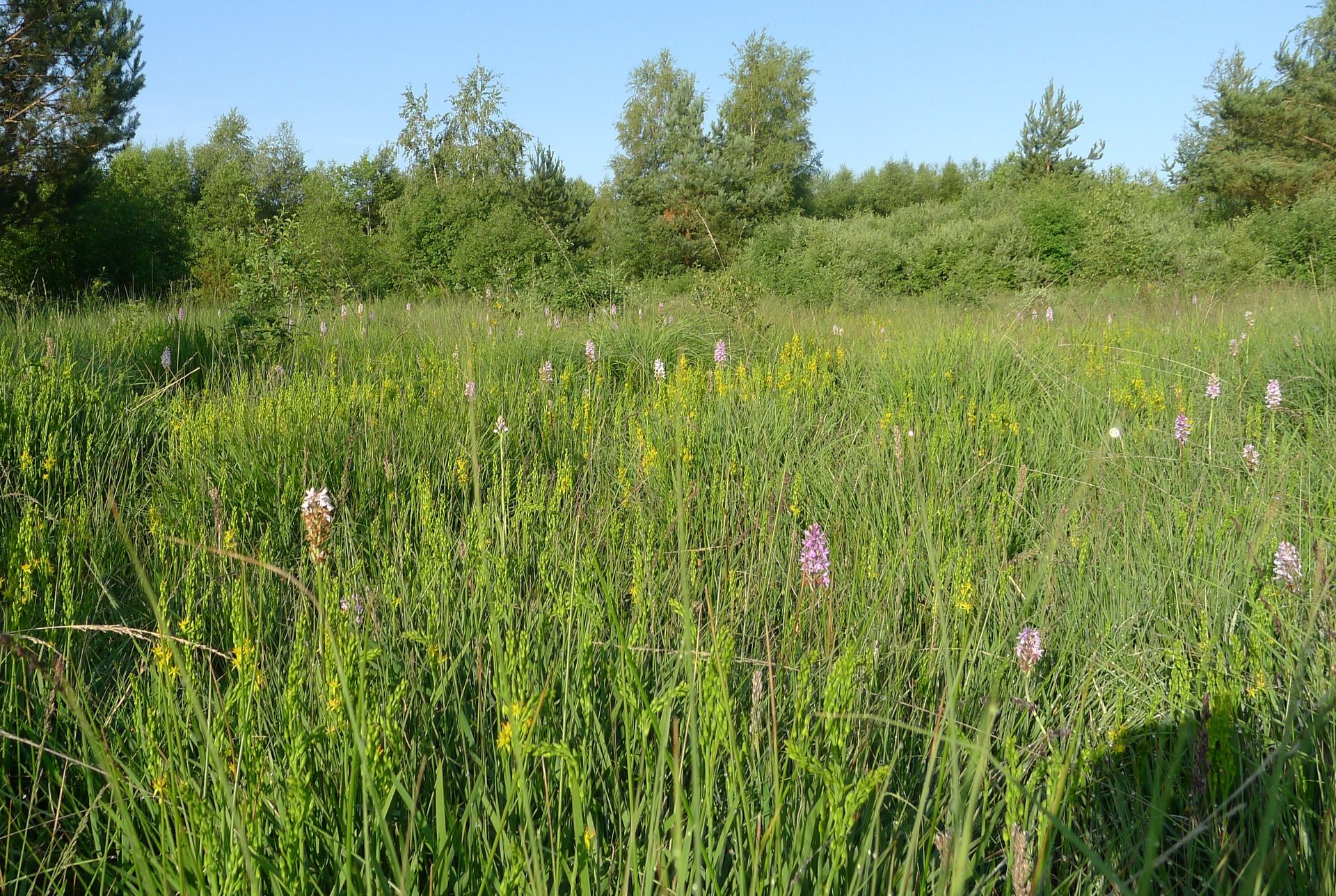
Chi Fontaine
A quiet corner of Wallonia where peat, water and woodland meet in a rare mosaic of wetland habitats.
The site holds exceptional biodiversity but suffers from historic drainage, climate‑driven droughts and tree encroachment. Wetlanders will focus on water retention, restoring open wet habitats, removing invasive tree growth, reducing spruce expansion, and working with local land users to safeguard the wetland’s ecological and hydrological functioning.
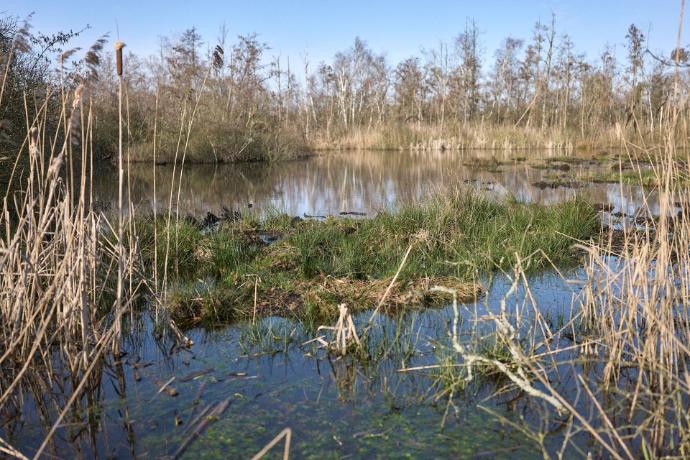
Valley of the Kleine Nete
A Flemish river valley where water, nature and agriculture shape a dynamic landscape.
In the valley of the Kleine Nete, we focus on two key locations: Breeven and the wider landscape around De Zegge in the river valley. Both locations have been fundamentally reshaped by decades of drainage and reclamation, leaving it vulnerable to drought, flooding, nutrient pressures and biodiversity loss. Wetlanders will focus on valley restoration, peatland recovery, and hydrological repair, while the Living Lab with farmers develops practical, climate‑resilient approaches to lowland agriculture, soil improvement and sponge‑landscape design. Together, these actions aim to rebuild a resilient wetland system that supports both nature and farming.
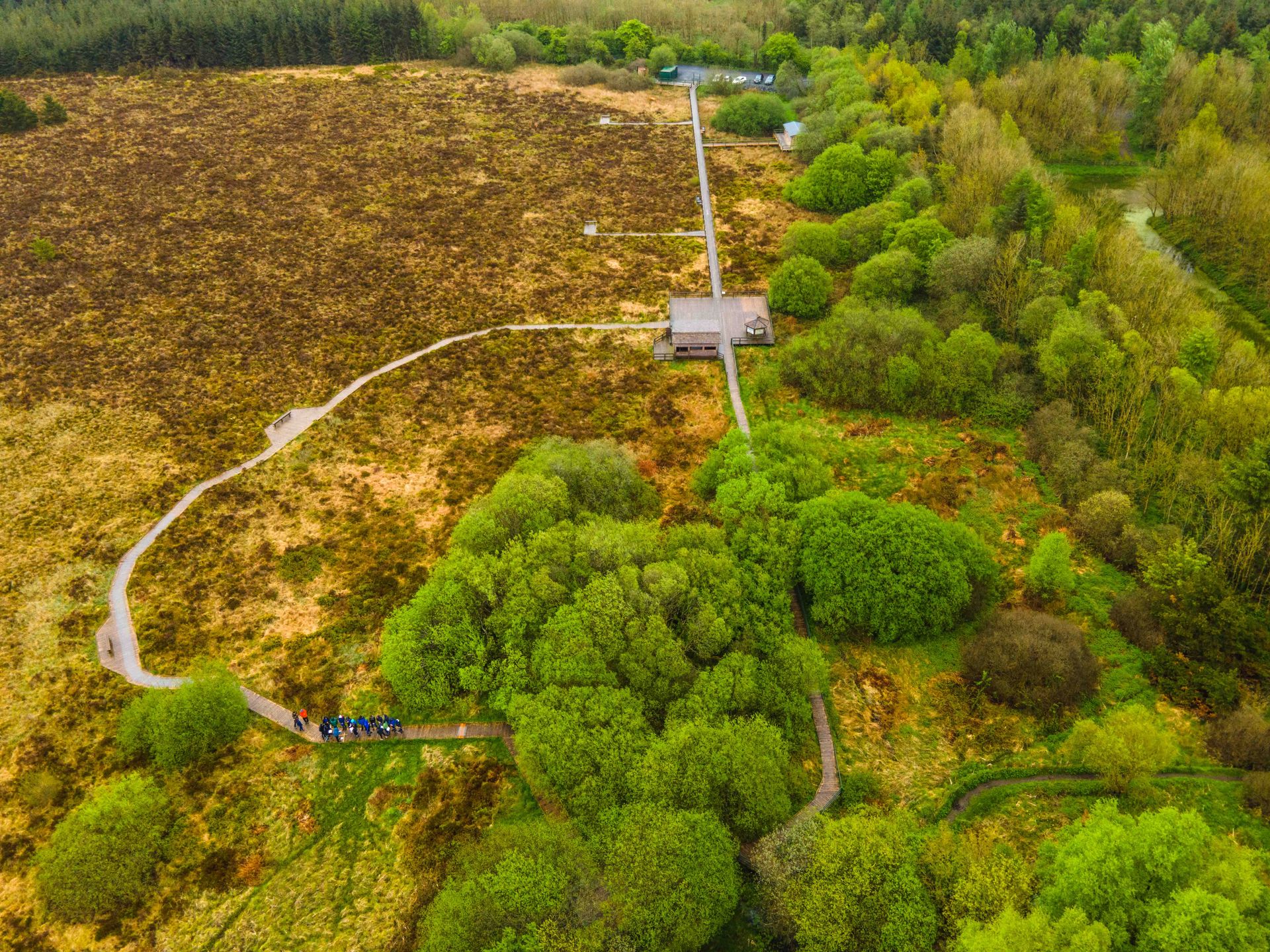
Griston Bog
A characteristic Irish bog landscape, ready for a new chapter of recovery.
Within Wetlanders there will be a focus on restoring hydrology at Griston Bog by addressing falling water levels caused by artificial drainage, which has led to drying, scrub encroachment and the spread of less desirable vegetation. The pilot action will include blocking ditches to retain water, quarterly monitoring to maintain a high water table for Sphagnum growth, and tackling challenges such as invasive species, ash dieback and emerging scrub. As Griston Bog is community-owned, we also want to collaborate with local stakeholders to strengthen biodiversity in the surrounding area, while fully respecting the choices of private landowners.
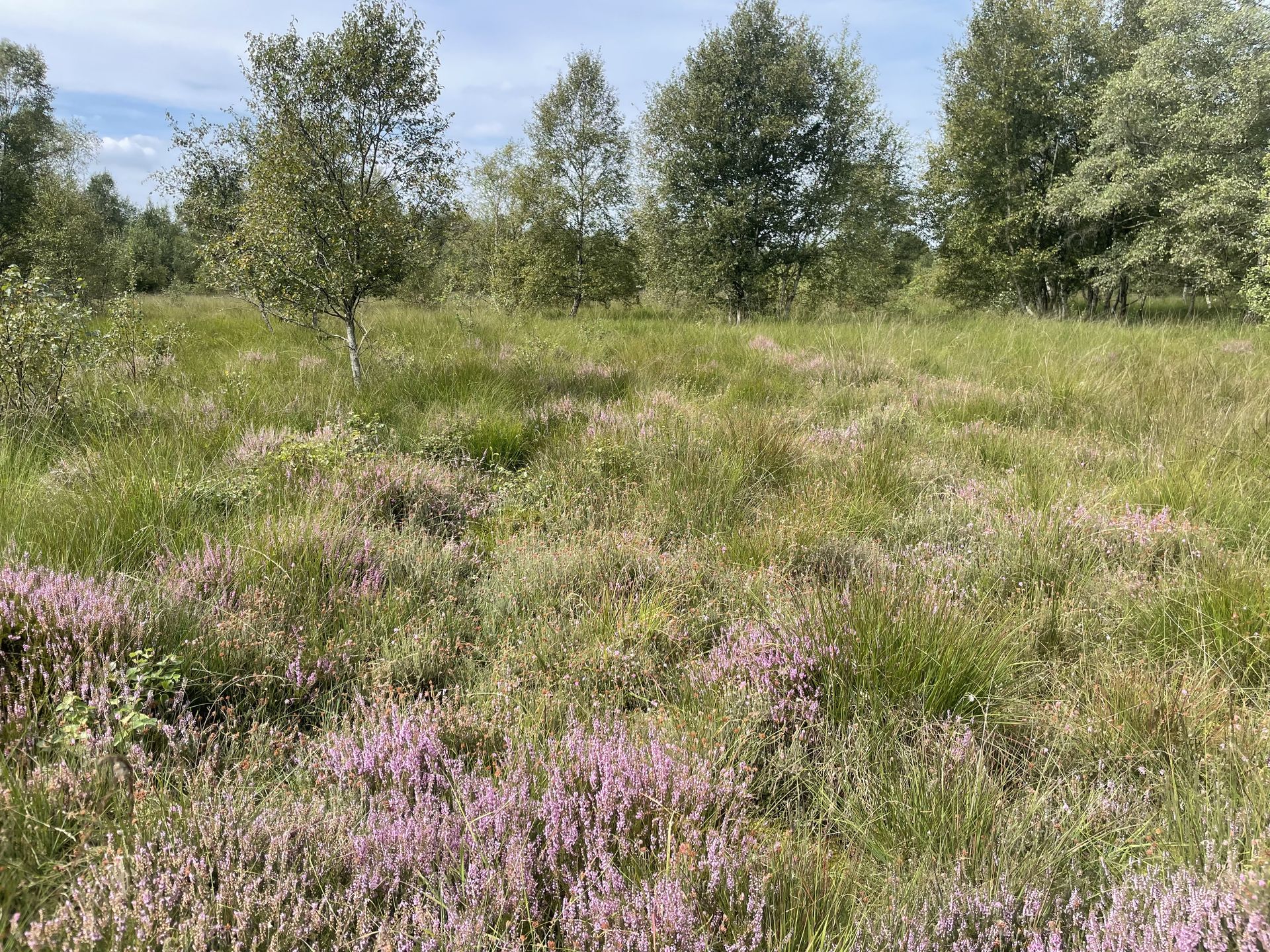
Sager Meere, Kleiner Sand and Heumoor
A German wetland shaped by water dynamics, now on its way to a wetter, healthier future.
The Heumoor is a wetland that was historically a raised bog but has been degraded by years of peat cutting and agricultural drainage. Located within a nature conservation area alongside two large sinkhole lakes, it features a complex hydrological system yet supports a high biodiversity of endangered fauna and flora. As a first step, a comprehensive ecological and hydrological analysis of the entire landscape will guide future restoration measures and facilitate engagement with local landowners. Serving as a pilot project, the Heumoor will test whether successful solutions from other sites can be transferred directly or need adaptation. To navigate potential conflicts such as vegetation clearing and restricted land use, the project will centre on community acceptance, communication, and co-design to ensure long-term restoration success.
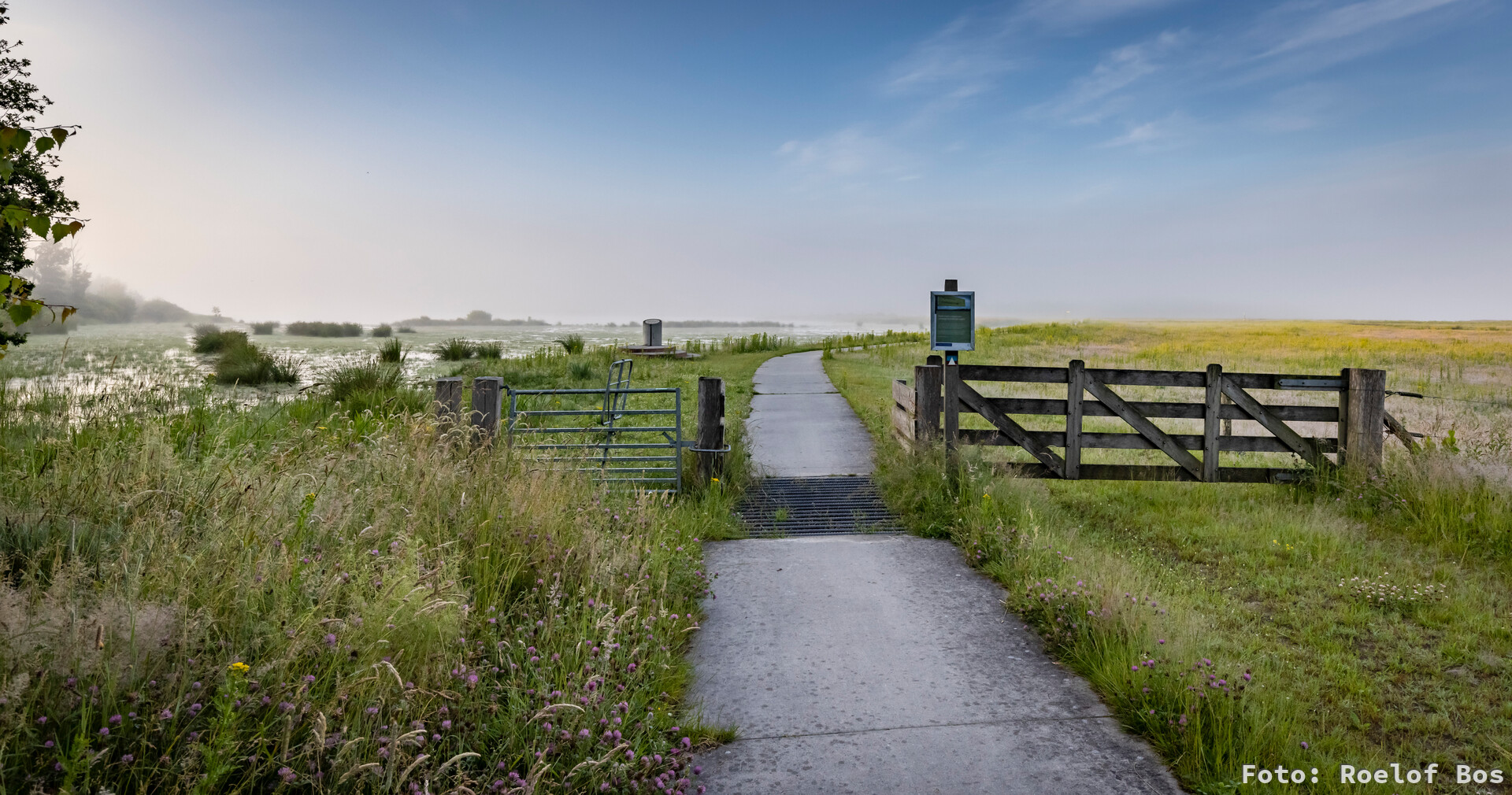
Fochteloërveen
One of the Netherlands’ most iconic raised bogs, home to rare species and sweeping views.
Fochteloërveen is a key peatland landscape where raised‑bog remnants still persist despite decades of pressure. In Compagnonsveld, Wetlanders focuses on rewetting and restoring these wetland systems. Today, the area struggles with leaking ditches, drought stress, nitrogen loads and external pressures. By improving water retention and tackling these hydrological challenges, we aim to bring wetland processes back to life and strengthen the ecological future of Fochteloërveen.