Within the Interreg Wetlanders project, valuable wetlands are being restored at several pilot sites across northwestern Europe. These landscapes provide essential ecosystem services, such as storing carbon and reducing flood risks. Furthermore, they provide a home for a remarkable diversity of plants and animals. Unfortunately, many wetlands have disappeared or become degraded over the last century, making their restoration more important than ever.
Restoring nature is one thing, but how do you know whether these restoration efforts are actually successful? The answer lies in monitoring biodiversity. By studying biodiversity before, during and after restoration, we can measure how ecosystems respond to restoration measures and whether characteristic wetland species return.
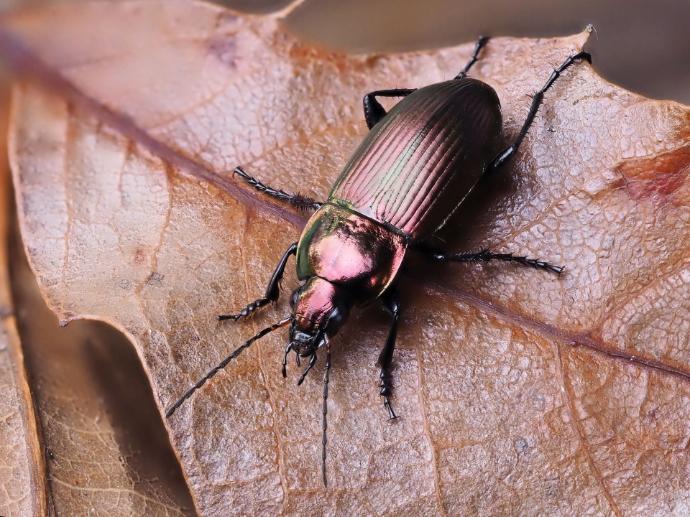
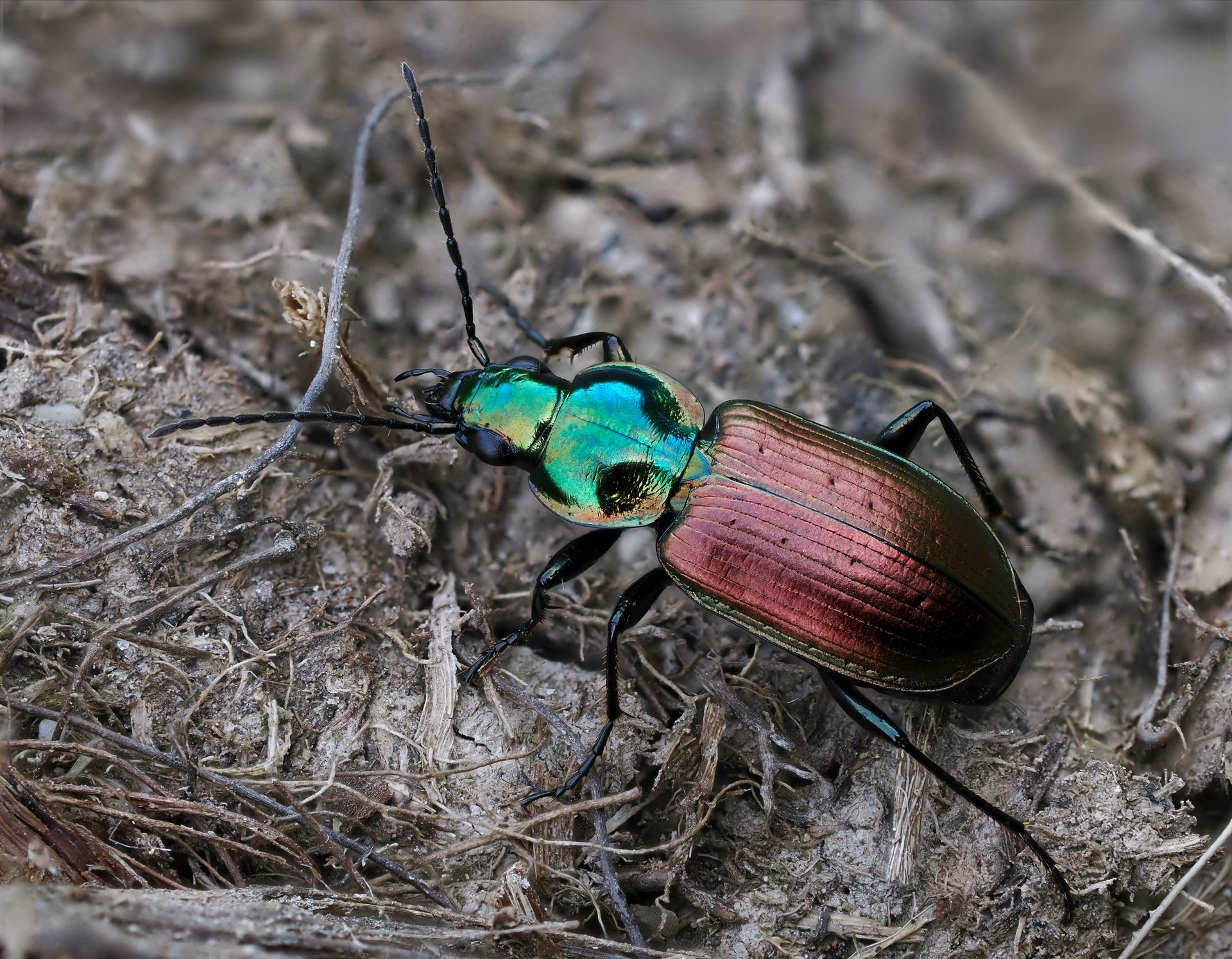
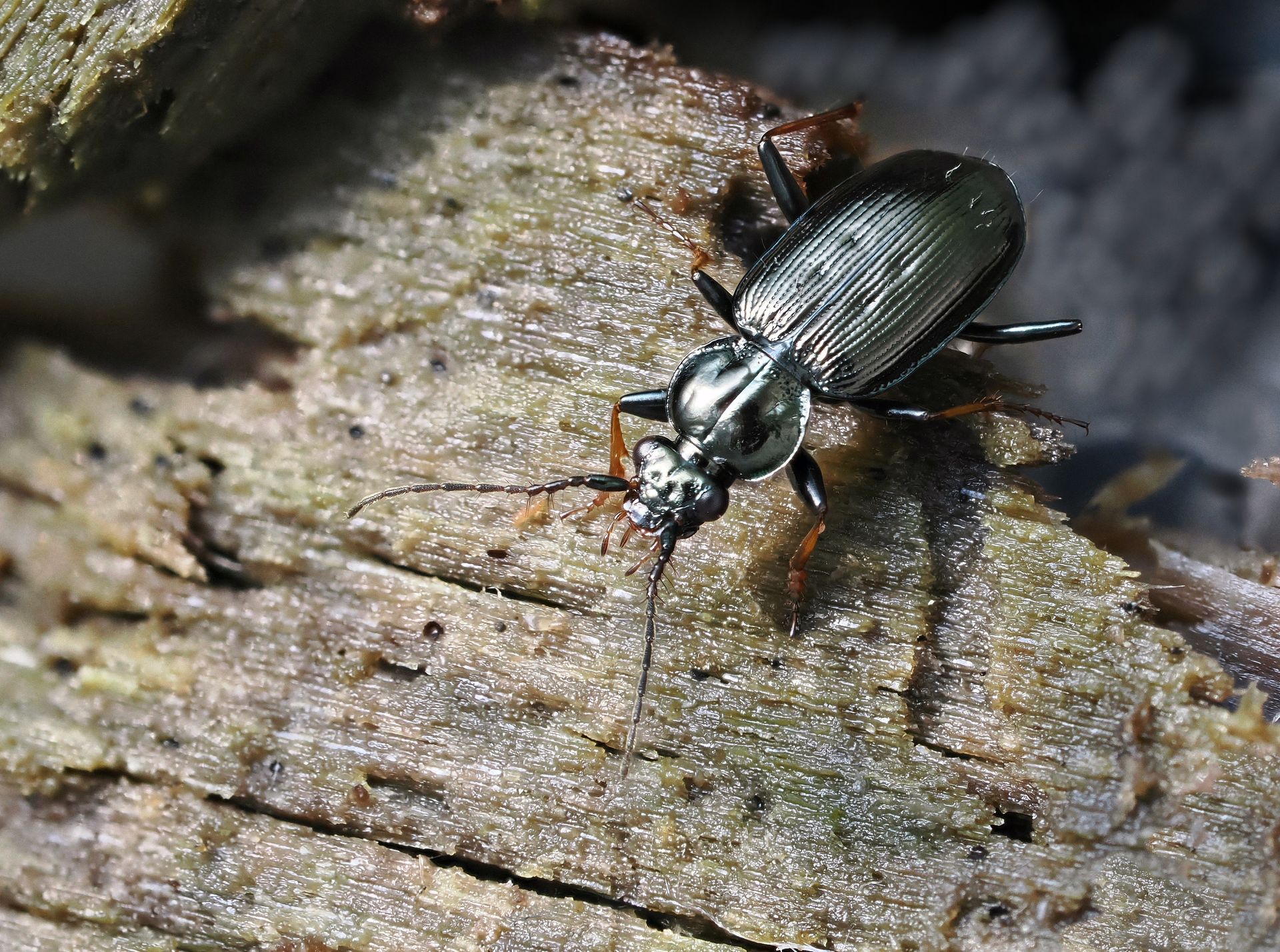
Vegetation surveys and measurements of groundwater levels already tell us a lot about habitat restoration, but they only reveal part of the picture. Ground-dwelling arthropods, such as ground beetles and spiders, often respond rapidly to environmental change and can therefore reveal whether restoration is heading in the right direction. However, monitoring these animals is not always straightforward. Many ground-dwelling arthropods are tiny, hidden among litter and mostly active during the night. Since this makes hand collecting challenging, researchers use a more efficient solution: pitfall traps.
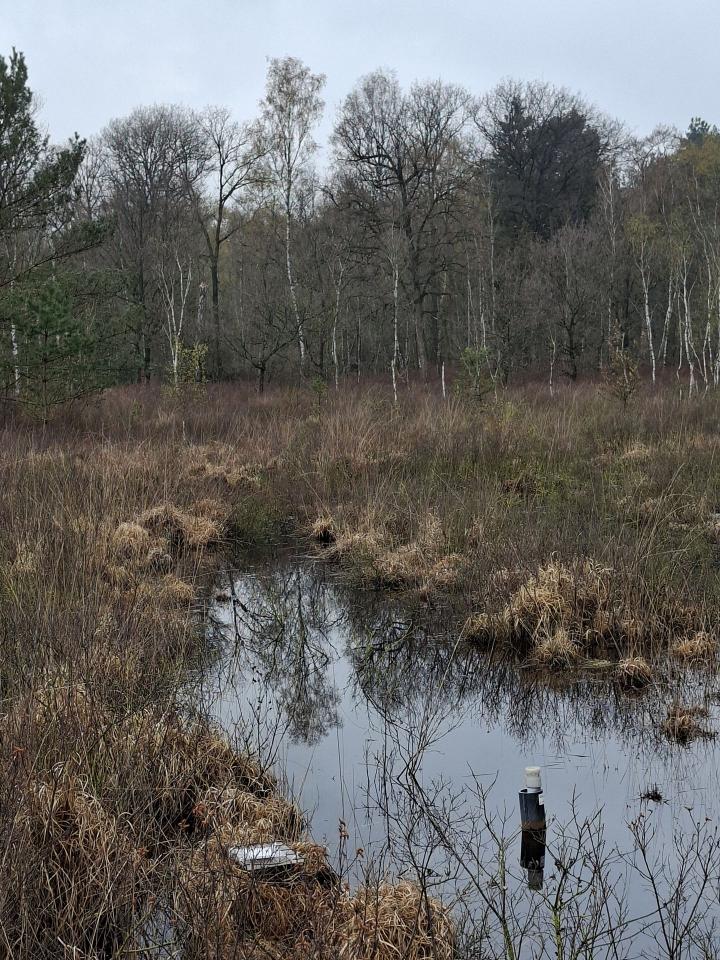
What is a pitfall trap?
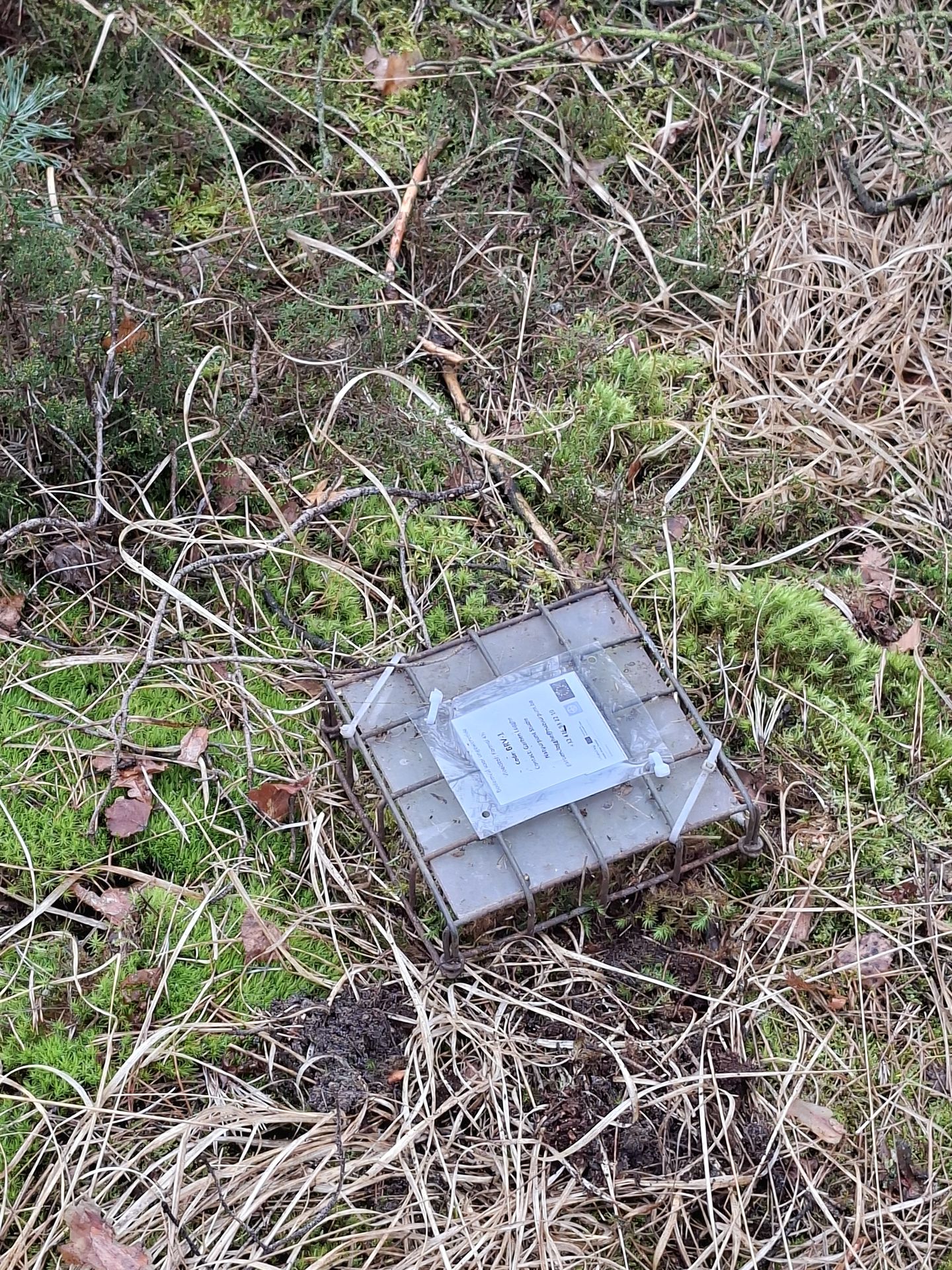
A pitfall trap is a simple but highly efficient method to sample small animals that live on the ground. It’s essentially a small cup buried in the soil with its rim level to the surface. Ground-dwelling arthropods, such as beetles and spiders, accidentally fall into trap while moving across the soil surface and can then be collected for later identification.
The traps contain a preserving liquid, typically propylene glycol or formol. Although this unfortunately means that the animals are killed, it is one of the most humane and scientifically reliable methods for sampling these groups. Without the preserving liquid, animals would remain alive for days, during which they could suffer from dehydration or be eaten by other trapped animals. In addition, accurate identification of many ground beetle and spider species requires microscopic examination, making collection necessary. The number of individuals sampled is very small compared with the size of natural populations, while the information gained is invaluable for understanding how biodiversity responds to habitat change.
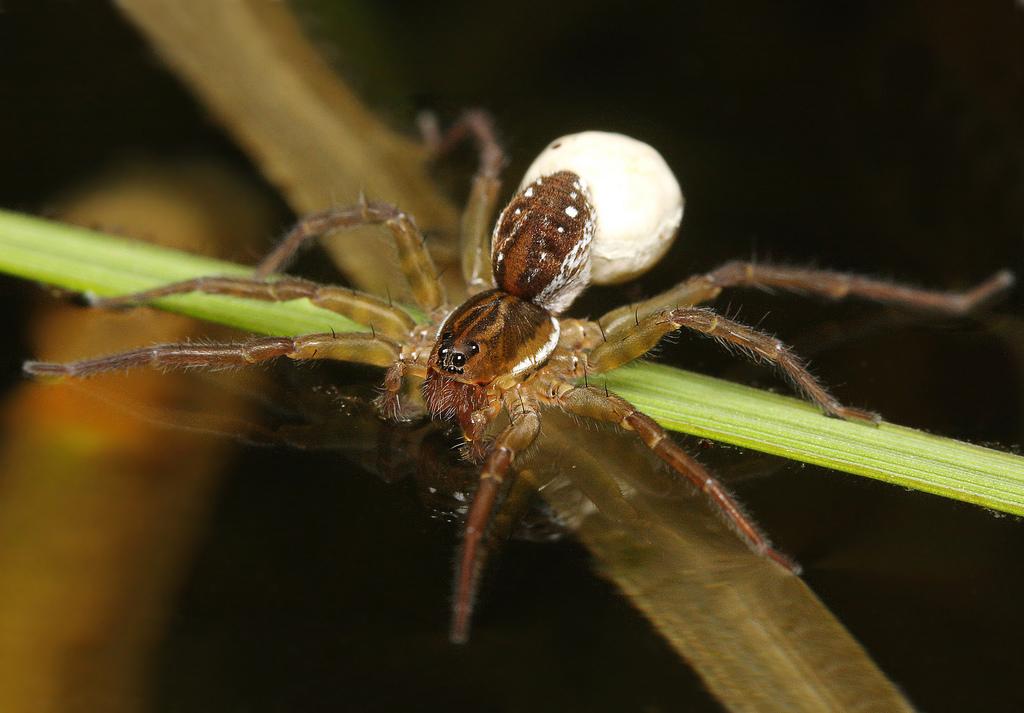
Why monitor ground beetles and spiders?
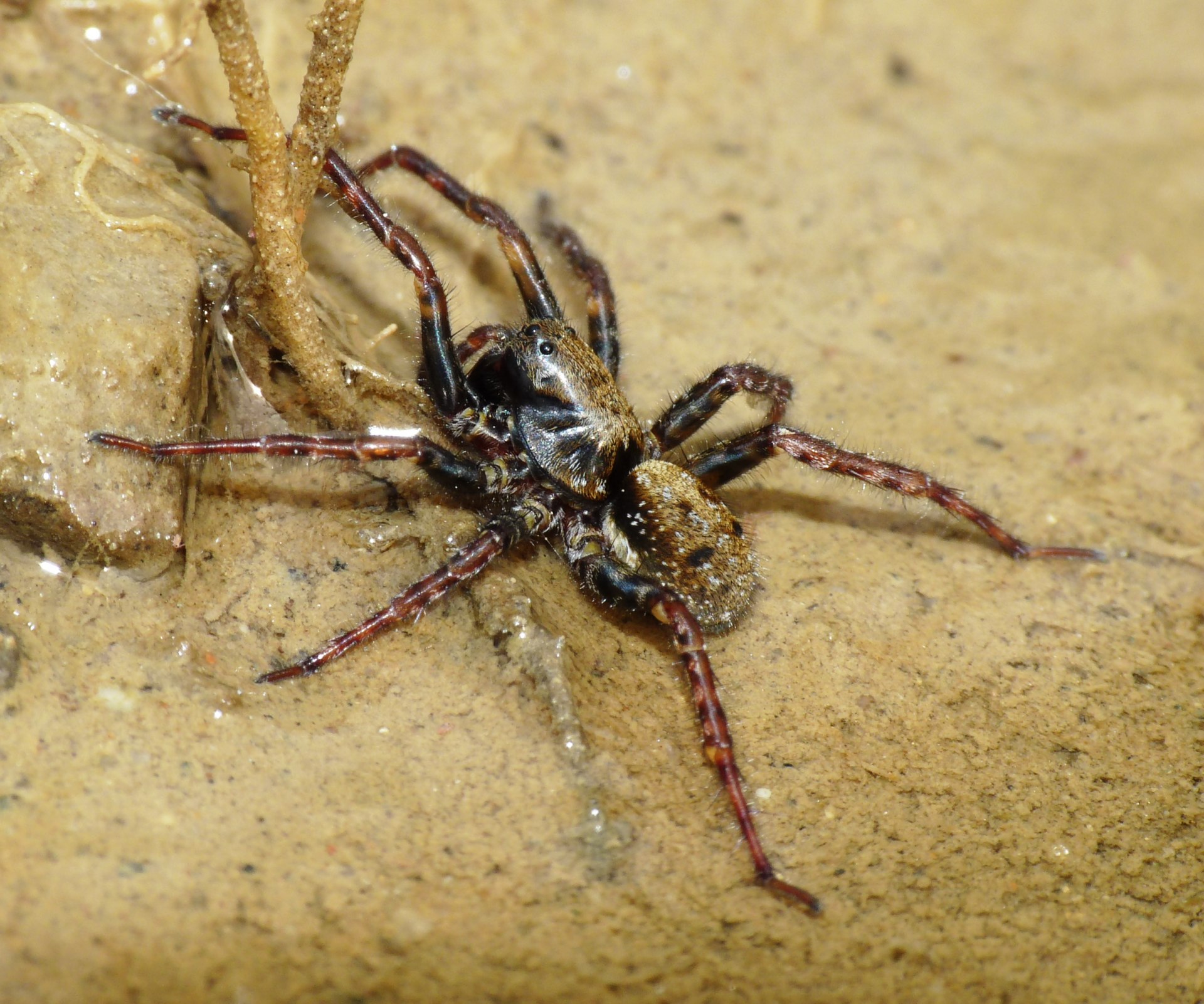
Ground beetles and spiders are excellent indicators of habitat quality. This is because they are species-rich, abundant and occur in a wide variety of habitats. Furthermore, these groups contain many highly specialised species, each with its own specific environmental requirements. Their presence and abundance are therefore strongly influenced by local habitat conditions, such as soil moisture, vegetation structure and disturbance. As habitat conditions change, the species composition of ground beetle and spider communities changes rapidly as well, allowing researchers to detect even subtle ecological changes.
By investigating which species are present, researchers can thus determine whether habitat conditions are moving in the right direction. During the project’s baseline survey, we expect to find mostly species that are widespread and tolerant to a broad range of habitat conditions. As restoration progresses and wetlands recover, we hope to see an increase in rare specialist species that are characteristic of healthy wetlands.
What’s next?
The first twelve pitfall traps have already been installed at the Flemish pilot site of Breeven. Early next year, the monitoring programme will expand to the other Wetlanders pilot sites in Wallonia, the Netherlands, Germany and Ireland.
Pitfall trapping is just one part of the Wetlanders monitoring programme. To obtain a complete picture of biodiversity changes, we will also monitor other groups, including vegetation and flying insects such as hoverflies and dragonflies. Each of these groups responds differently to changes in habitat conditions and provides valuable information about the success of restoration measures.
Citizens can also play a role by sharing observations of plants and animals through citizen science platforms like Observation.org. Such observations provide valuable additional information and help researchers build a more complete picture of biodiversity at the pilot sites.
Together, all these monitoring efforts will help us understand how wetland restoration benefits biodiversity and which measures are most effective in creating healthy ecosystems.